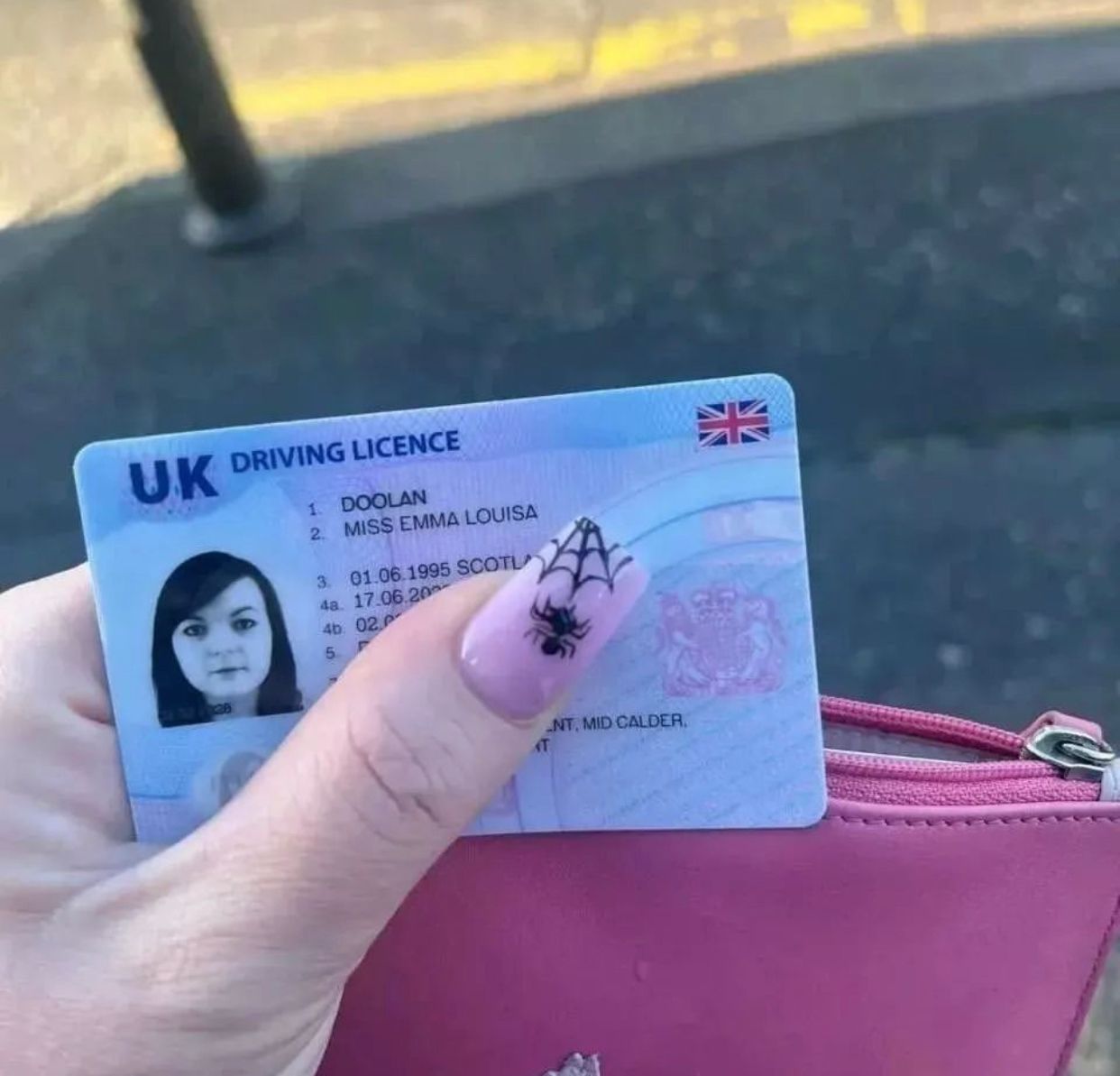
12 Facts About UK Drivers License To Make You Seek Out Other People


The UK Driver's License: A Comprehensive Guide
Navigating the roadways in the UK is a necessity for lots of. Acquiring a UK driver's license is a significant turning point, whether it's for travelling, leisure, or practical functions. This guide uses a detailed introduction of the UK driver's license, covering everything from the types offered to the application procedure, and addressing typical questions.
Types of UK Driver's Licenses
Before delving into the application process, it's vital to understand the different kinds of driver's licenses released in the UK. Each type enables the holder to drive specific classifications of cars. Below is an extensive table summing up the primary types:
| License Type | Vehicle Category | Minimum Age | Example of Use |
|---|---|---|---|
| Provisionary License | Learner drivers | 17 | Discovering to drive with a trainer |
| Complete Car License | Classification B: automobiles | 17 | Regular passenger lorries |
| Motorbike License | Classification A1, A2, A (bikes) | 17 (A1), 19 (A2), 24 (A) | Riding motorcycles |
| Bus License | Classification D (buses over 8 guest seats) | 24 | Public transport services |
| Truck License | Classification C (big goods vehicles) | 18 | Freight transportation |
| Minibus License | Classification D1 (minibuses) | 21 | Driving little bus services |
The Application Process
Obtaining a UK driver's license includes several steps, each created to guarantee that the applicant fulfills the necessary requirements for safe driving.
1. Get a Provisional License
The primary step to getting a full driver's license is obtaining a provisional license. This enables novices to practice under specific conditions.
Eligibility Requirements:
- Minimum age of 17 years.
- Should be a local of Great Britain.
- Able to check out a number plate from 20 meters away.
Application Method:
- Online by means of the Government website or through a postal application.
2. Pass the Theory Test
When the provisionary license is obtained, the next step is to pass the driving theory test, which consists of 2 parts: multiple-choice concerns and risk understanding.
Multiple-choice Questions:
- 50 concerns covering roadway signs, rules, and car safety.
- Must score at least 43 out of 50 to pass.
Risk Perception:
- 14 video clips to identify developing dangers.
- A minimum rating of 44 out of 75 is required.
3. Take Driving Lessons
After passing the theory test, the learner can start useful driving lessons with a certified trainer. It is advised to take lessons for several months to become a proficient driver.
4. Pass the Practical Driving Test
The useful test assesses the learner's driving and maneuvering ability. The test lasts about 40 minutes and includes driving on numerous types of roads and carrying out particular maneuvers.
- Test Components:
- Vehicle security concerns (reveal me, inform me).
- Manoeuvres (e.g., reversing, parallel parking).
- Observational abilities (checking mirrors, signaling).
5. Acquire Your Full License
Upon passing the useful test, drivers will be released a full driving license, which allows them to drive separately. Nevertheless, new drivers go through a probationary period of two years, during which stringent limits on driving offenses use.
UK License Categories
A lucky element of the UK driving system is its structured classification, which ensures that drivers have the suitable abilities before operating numerous automobiles. Below is a list of licenses and their classifications:
- Category A: Motorcycles
- Classification B: Cars
- Category C: Large items cars
- Classification D: Buses
- Category D1: Minibuses
- Category BE: Trailers over 750 kg with automobiles
- Classification C1: Vehicles in between 3,500 and 7,500 kg
- Classification C1E: Trailers as much as 750 kg with trucks
Frequently asked question Section
Q1: What is the cost of using for a UK driving license?
The costs vary based on the stage of the application. Normally, the costs for a provisionary license are around ₤ 34 online or ₤ 43 by post. The driving theory test expenses ₤ 23, while the dry run costs ₤ 62 on weekdays and ₤ 75 on weekends.
Q2: How long is the driver's license valid?
A full UK driving license stands until the age of 70. After that, it must be renewed. Additionally, drivers are encouraged to update their information, such as address and medical condition, at any time.
Q3: What should I do if I lose my driver's license?
If a license is lost, taken, or harmed, the holder should obtain a replacement online or through postal services, completing the necessary forms and paying the suitable fee.
Q4: Can I drive abroad with a UK driving license?
A UK driving license stands in lots of nations, however it is suggested to check the specific requirements of the nation you plan to go to, as some may need an International Driving Permit.
Q5: What takes place if I get points on my license?
Points build up for various driving offenses. Collecting Driving Licence Online or more points within three years may result in disqualification from driving. New drivers (within two years of passing) can lose their license upon receiving just six points.
A UK driver's license is more than just a file; it represents a dedication to road security and individual duty. The journey from getting a provisionary license to protecting a full license can be gratifying and profoundly practical. Whether for commuting, experiences, or running errands, comprehending the nuances of driving in the UK lays the foundation for a safe and satisfying driving experience.
With regulations routinely progressing, it's vital for current and prospective drivers to stay educated and proactive about their driving rights and duties. Pleased driving!